
In structured raid and dungeon encounters, boss phase changes are rarely random. They are triggered by precise health percentage thresholds that instantly alter mechanics, damage patterns, and positioning demands. Boss Health Trigger Awareness is the critical Phase Transition Alert system that allows teams to control when these shifts occur. This awareness separates groups executing Seamless Shifts from those suffering Unprepared Mechanic Spikes caused by reckless damage pushes.
This expanded analysis explores health threshold management, controlled DPS pacing, resource synchronization, and transition stabilization protocols.
Why Phase Triggers Are High-Risk Moments
Health-based transitions often reset boss rotations and immediately introduce high-impact mechanics such as raid-wide AoE bursts, add waves, tank busters, or forced repositioning events. These mechanics assume the group is fully prepared.

If the boss transitions unexpectedly—while mitigation is down, healers are low on mana, or players are mid-movement—the group experiences an Unprepared Mechanic Spike. This frequently leads to cascading failures within seconds of the transition.
The Danger Zone Concept
Elite groups define a Danger Zone range—usually 2–5% before the official health trigger. Inside this window, DPS output becomes controlled rather than automatic.
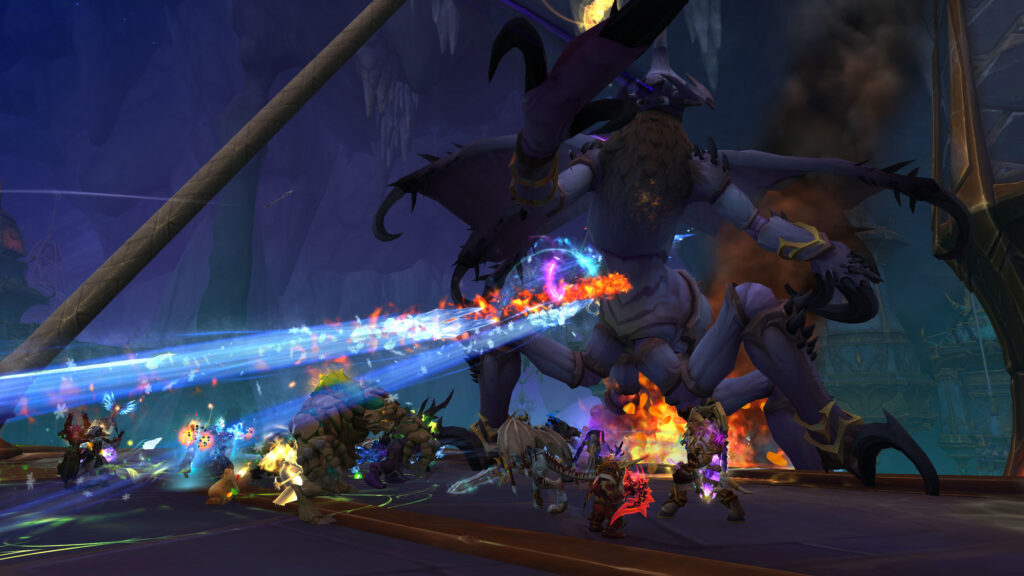
Instead of pushing blindly, teams stabilize positioning, refresh mitigation, regenerate resources, and align cooldowns before committing to the transition.
Phase Transition Alert Protocol
The Phase Transition Alert requires structured communication:
- Health Threshold Warning: Raid Leader announces entry into the danger zone (e.g., “Boss at 48%, transition at 45%”).
- Resource Confirmation: Tank and healer confirm readiness for the incoming spike.
- Cooldown Alignment: DPS confirm major cooldown availability for post-transition damage checks.
- Final Command: Raid Leader calls either “SLOW” or “PUSH NOW.”
Pre-Transition Preparation by Role
| Role | Preparation Action | Purpose |
|---|---|---|
| Tank | Pool mitigation resources and reposition boss to new anchor. | Stabilize opening damage spike. |
| Healer | Pre-cast shields, HoTs, or ramp abilities before threshold. | Mitigate first phase-opening AoE. |
| DPS | Hold major CDs; avoid triggering transition mid-mechanic. | Ensure optimal burst in new phase. |
The Risk of Pushing Too Hard
Over-aggressive DPS often forces transitions during overlapping mechanics. This stacks outgoing abilities from two phases simultaneously, dramatically increasing damage intake and chaos.

Controlled damage pacing—also known as “checking DPS”—is a sign of advanced encounter discipline. Losing 3 seconds of uptime is preferable to triggering a destabilizing overlap.
The Risk of Pushing Too Slowly
Excessive hesitation can also be harmful. Delaying too long may force additional ability cycles from the current phase, increasing mana drain and mechanic exposure.
The goal is calculated timing—not delay, not haste.
Cooldown and Resource Synchronization
Successful Seamless Shifts depend on aligning:
- Tank mitigation cycles
- Healer throughput cooldowns
- DPS major burst abilities
- Utility tools for add control or movement
Transitions should feel controlled—not chaotic.
Conclusion
Boss Health Trigger Awareness is the defining Phase Transition Alert discipline in structured encounters. By monitoring health thresholds, enforcing danger zone pacing, and synchronizing resources before pushing, teams ensure Seamless Shifts between phases.
This strategic control eliminates Unprepared Mechanic Spikes and allows the group to dictate the encounter’s tempo rather than reacting to it.