

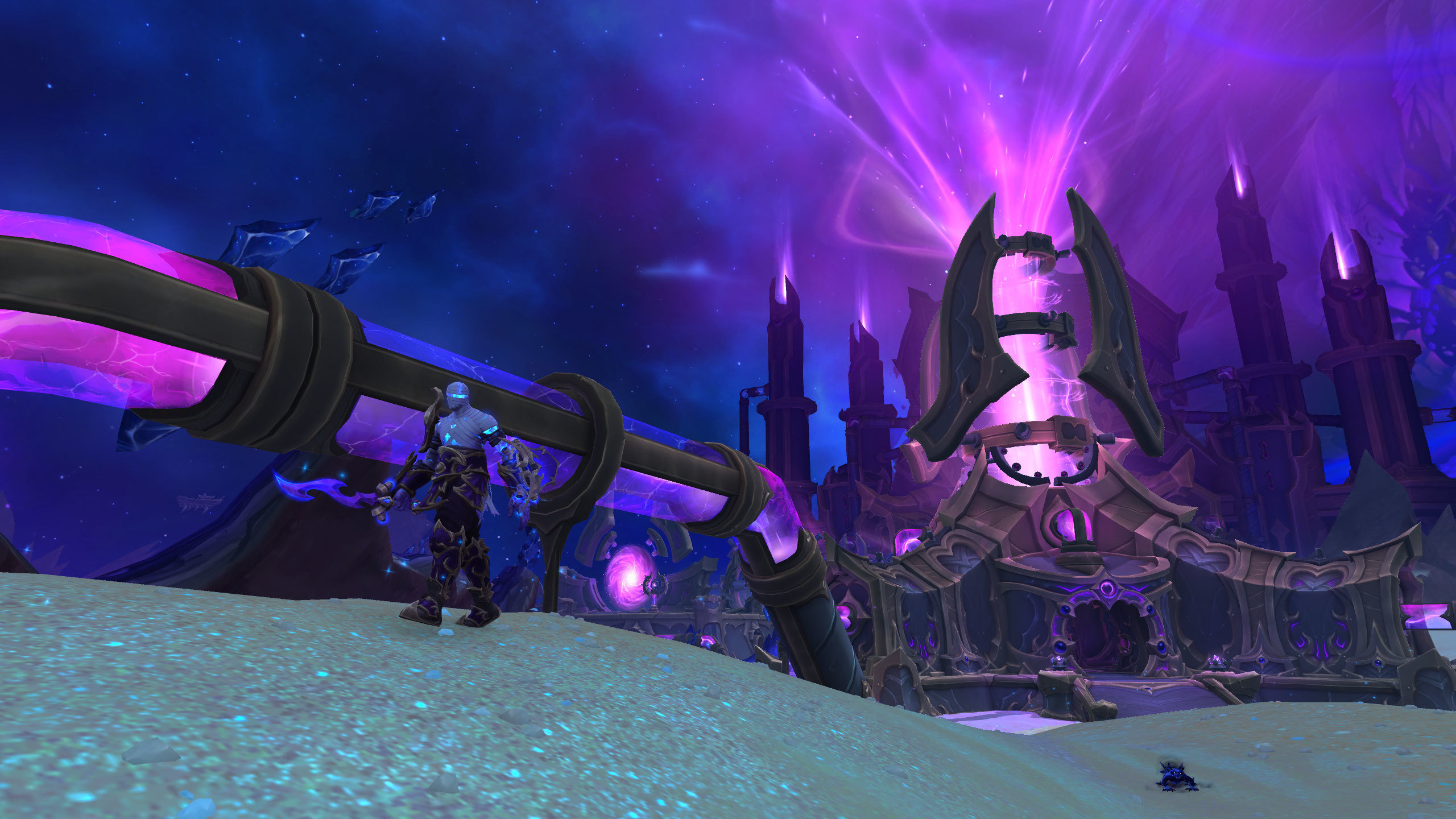
World of Warcraft has always been more than a game—it’s a social universe. From the earliest days of guild chat coordination to today’s thriving Discord servers, WoW’s community has evolved alongside technology and player culture. These changing communication tools have transformed how players build friendships, organize raids, and share experiences across continents.
This article explores the social evolution of WoW, tracing how its community moved from in-game whispers to expansive online networks that now define the heart of Azeroth’s culture.
The Golden Age of Guild Communication
In the early years, guild chat was the beating heart of player interaction. Every dungeon run, raid strategy, and personal story unfolded within the in-game chat box. Guilds were tight-knit communities where players bonded through shared victories and setbacks. Text-based communication gave rise to inside jokes, rivalries, and deep friendships that lasted long after logouts.

Back then, communication was immediate but limited. Players relied on macros, mailboxes, and forums to share guides or schedules. This simplicity created intimacy—every message felt personal, every raid call meaningful.
Vent, Teamspeak, and the Birth of Voice Coordination
As raids grew more complex, so did the need for coordination. Voice platforms like Ventrilo and Teamspeak revolutionized how players communicated. For the first time, guilds could react in real time—shouting instructions, celebrating kills, or laughing over failed mechanics.
This shift from text to voice marked a major cultural milestone. The sound of familiar voices built trust and camaraderie, creating stronger bonds than text ever could. Raiding became as much about teamwork as skill, transforming strangers into friends and guilds into families.
The Rise of Social Media and Out-of-Game Connections
With the rise of Facebook, Twitter, and YouTube, WoW’s community spilled beyond Azeroth’s borders. Players began sharing fan art, memes, and kill videos online. Social media blurred the line between game and lifestyle, letting players build identities tied to their characters and guilds.

This external presence gave WoW a cultural footprint—no longer just a pastime, but a global conversation that united millions through shared stories and achievements.
Discord: The New Era of Community
Then came Discord—a platform that redefined social interaction in gaming. Its seamless voice, text, and media integration allowed guilds to operate like professional teams. Event scheduling, strategy channels, and instant communication made coordination effortless. More importantly, it offered persistence: conversations continued even when players were offline.

Discord transformed WoW from a game you played together into a community you lived in. Players could discuss builds, share memes, or support each other in real life—all within the same digital space.
The Expansion of Player Subcultures
As communication evolved, so did the diversity of communities. Roleplayers, collectors, PvPers, and mythic raiders all found unique spaces to thrive. Discord servers became mini-societies with rules, events, and economies of their own. These subcultures enriched WoW’s identity, turning it into a tapestry of interconnected worlds rather than a single experience.
This fragmentation didn’t divide the player base—it deepened it. Each niche community contributed creativity, knowledge, and passion that fueled the game’s longevity.
Comparing Communication Eras
Each era of social communication brought new tools and challenges. From the closeness of guild chat to the complexity of Discord management, every phase redefined how players connected.
| Era | Primary Platform | Social Strength |
|---|---|---|
| Classic–TBC | In-Game Chat & Forums | Close-knit guilds, limited reach |
| Wrath–Legion | Voice Chat (Vent, TS, Mumble) | Team synergy and coordination |
| BFA–Dragonflight | Discord | Persistent communities, social expansion |
Each phase laid the foundation for the next, building WoW’s social structure into something far larger than its servers.
Conclusion
From guild chat whispers to thriving Discord servers, WoW’s social evolution mirrors the evolution of the internet itself. The tools may change, but the spirit of connection remains the same—players coming together to share victories, laughter, and lasting memories.
As Azeroth enters its third decade, the real legacy of WoW isn’t its bosses or loot—it’s the friendships that continue to grow long after the game logs out.